✓ Only the best in building envelope design
✓ Curated, compatible systems
✓ High-touch, responsive rep relationship
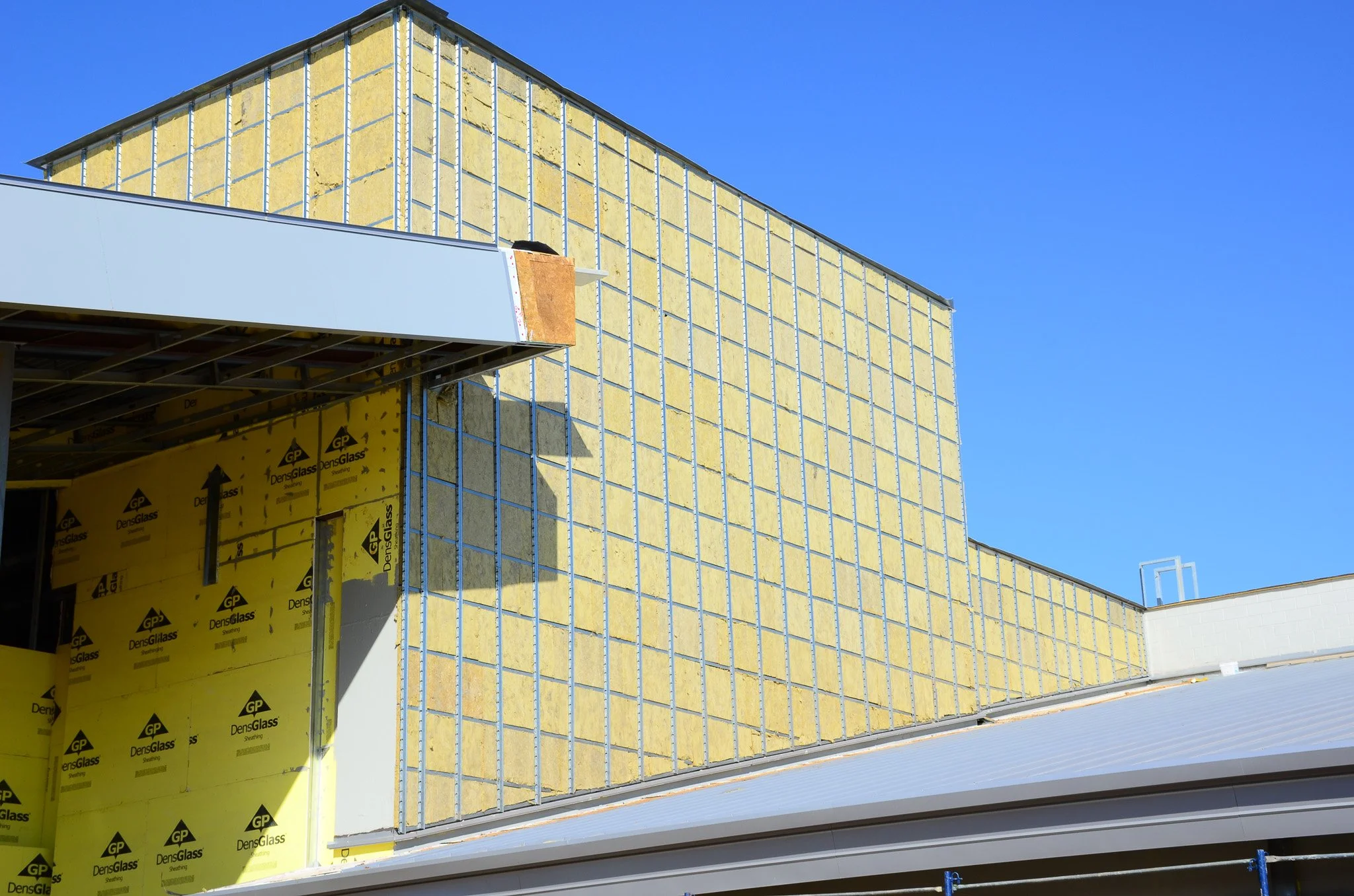
A thermal Z-girt significantly used to attach rainscreen cladding systems improves effective R-Value for commercial wall assemblies detailed with exterior insulation. Thermal Z-girts ensure there is a path to energy code compliance required for every climate zone by the IBC. NVLP Materials represents pre-engineered and thermally efficient cladding support systems from Knight Wall Systems that are easy to detail and specify for architects and spec writers working across Texas and beyond. Our thermal Z-girts and other cladding support systems from Knight Wall Systems are the nexus of any wall assembly connecting your rainscreen facade system to the structural backup wall be it steel studs, CMU, or concrete while preserving thermal efficiency. With comprehensive expertise, our agency provides reliable information no matter the wall assembly or rainscreen cladding type.
How Is a Thermal Z-Girt Used in Construction?
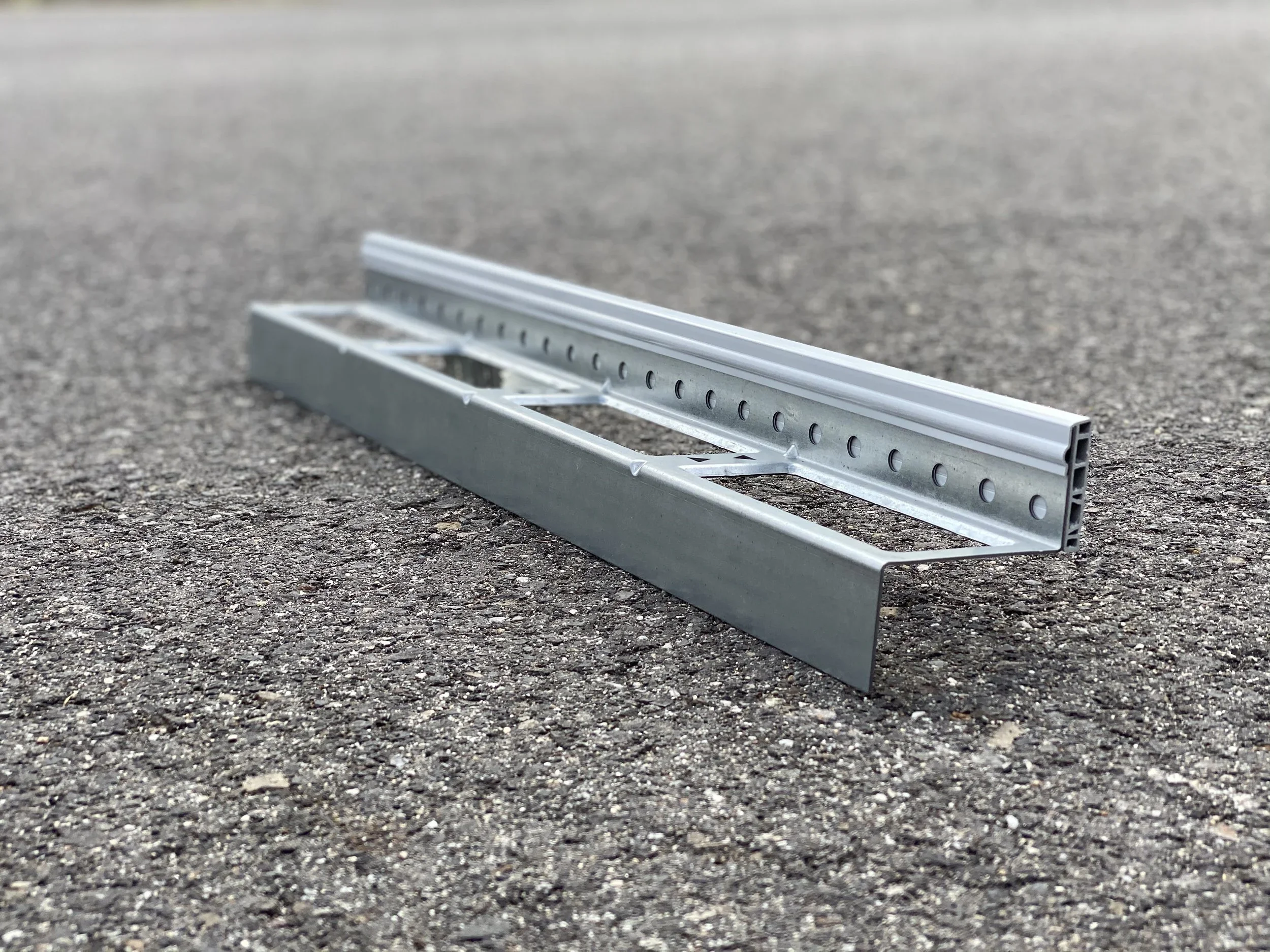
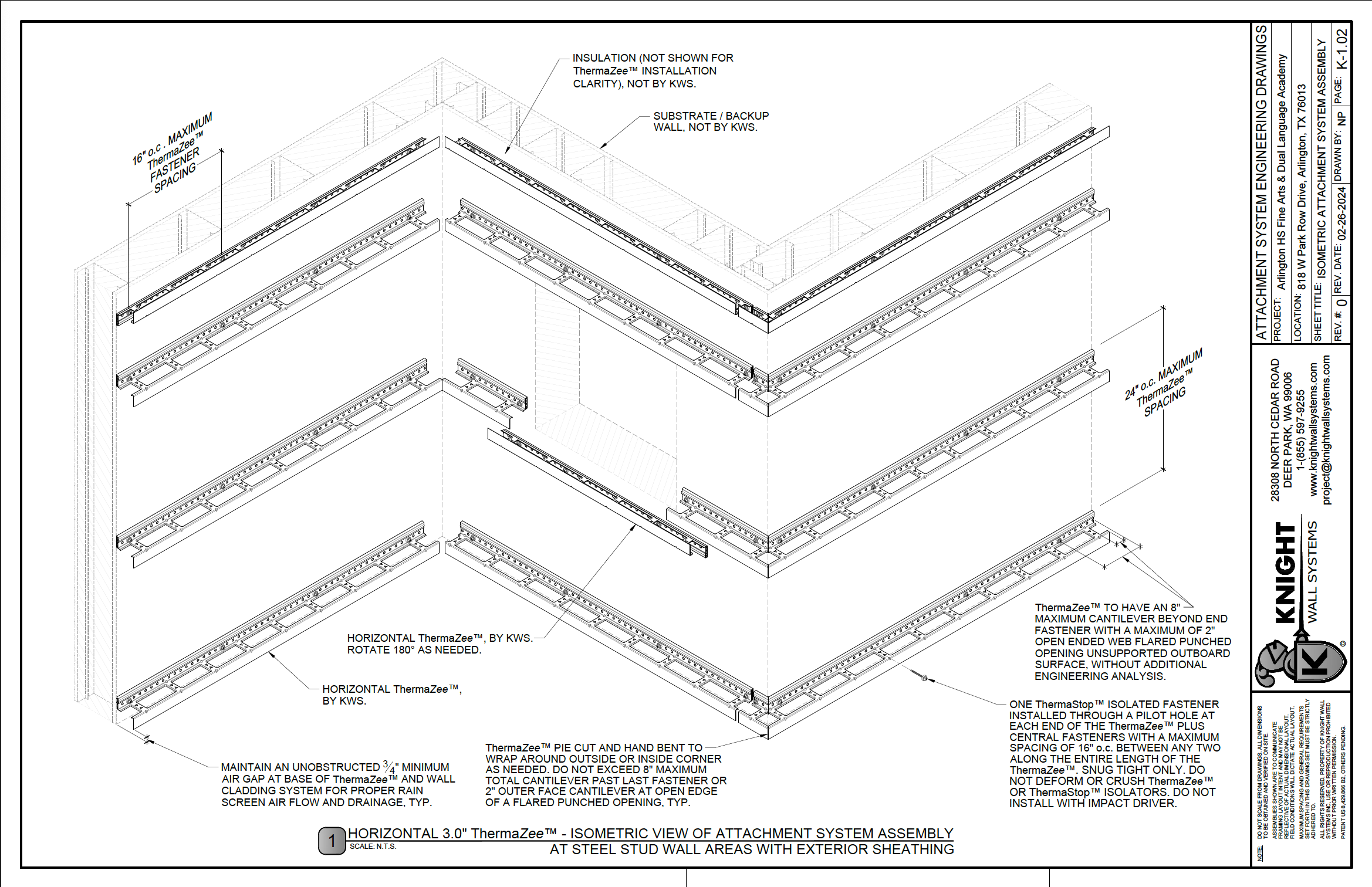
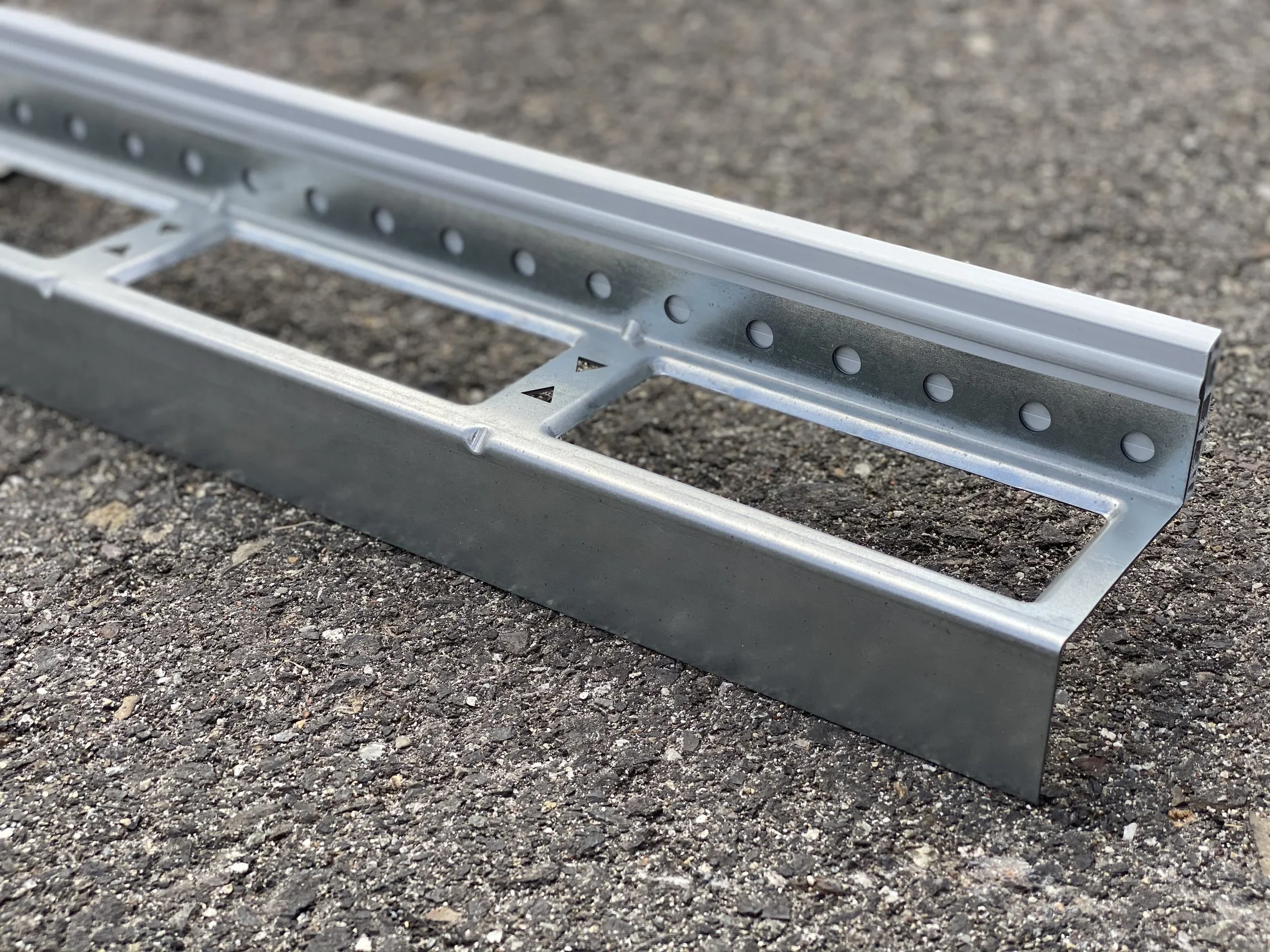
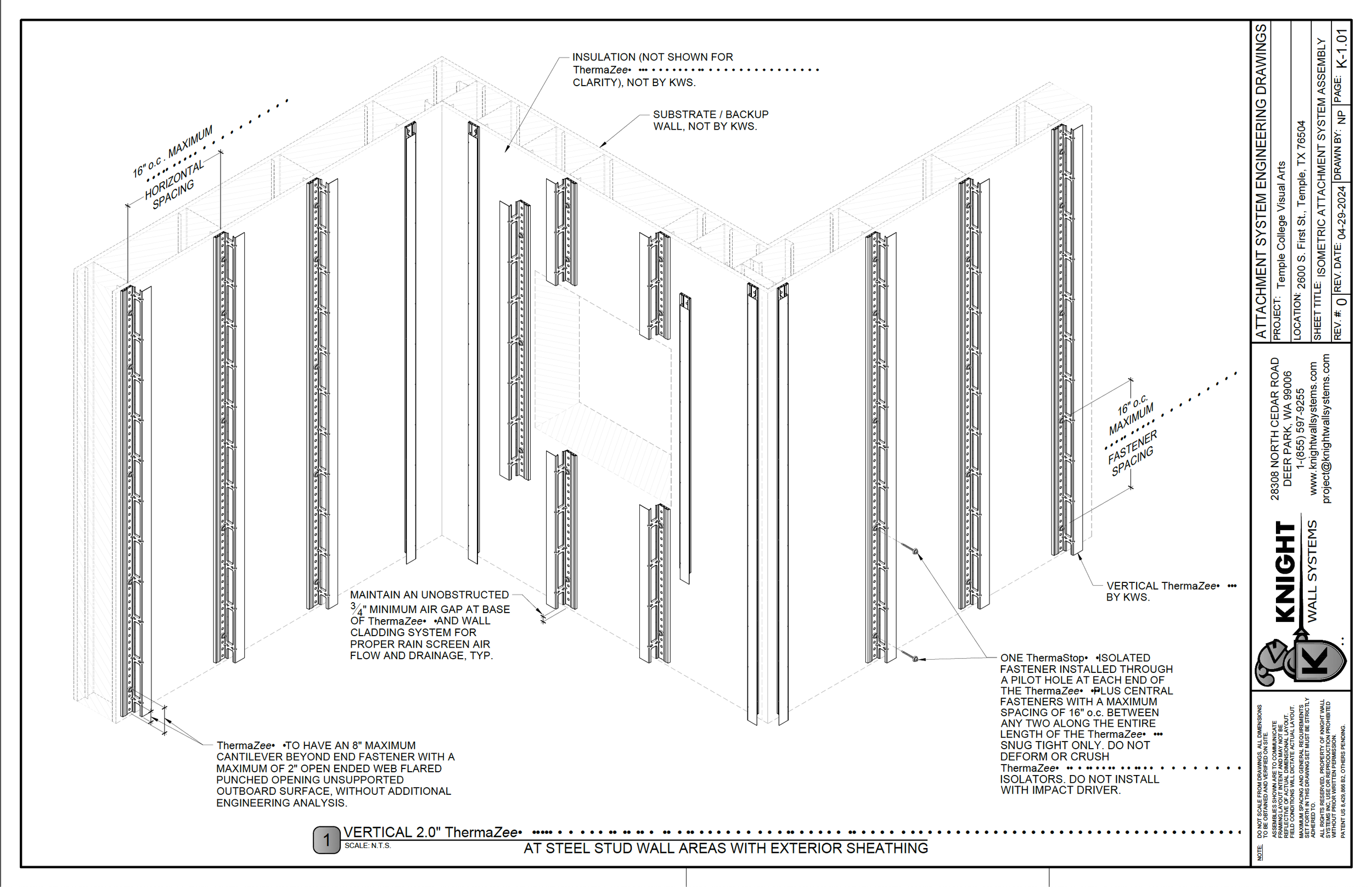
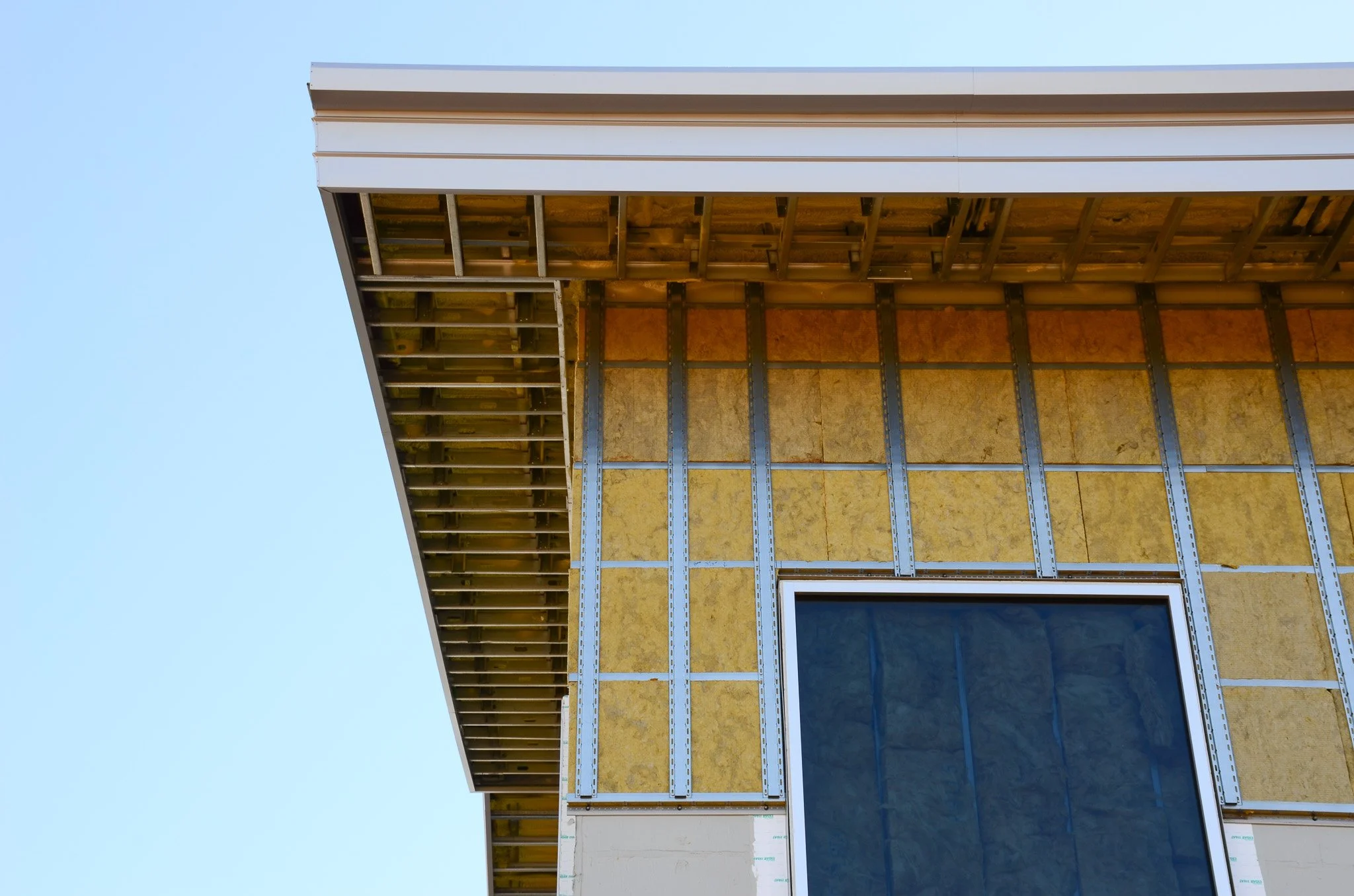
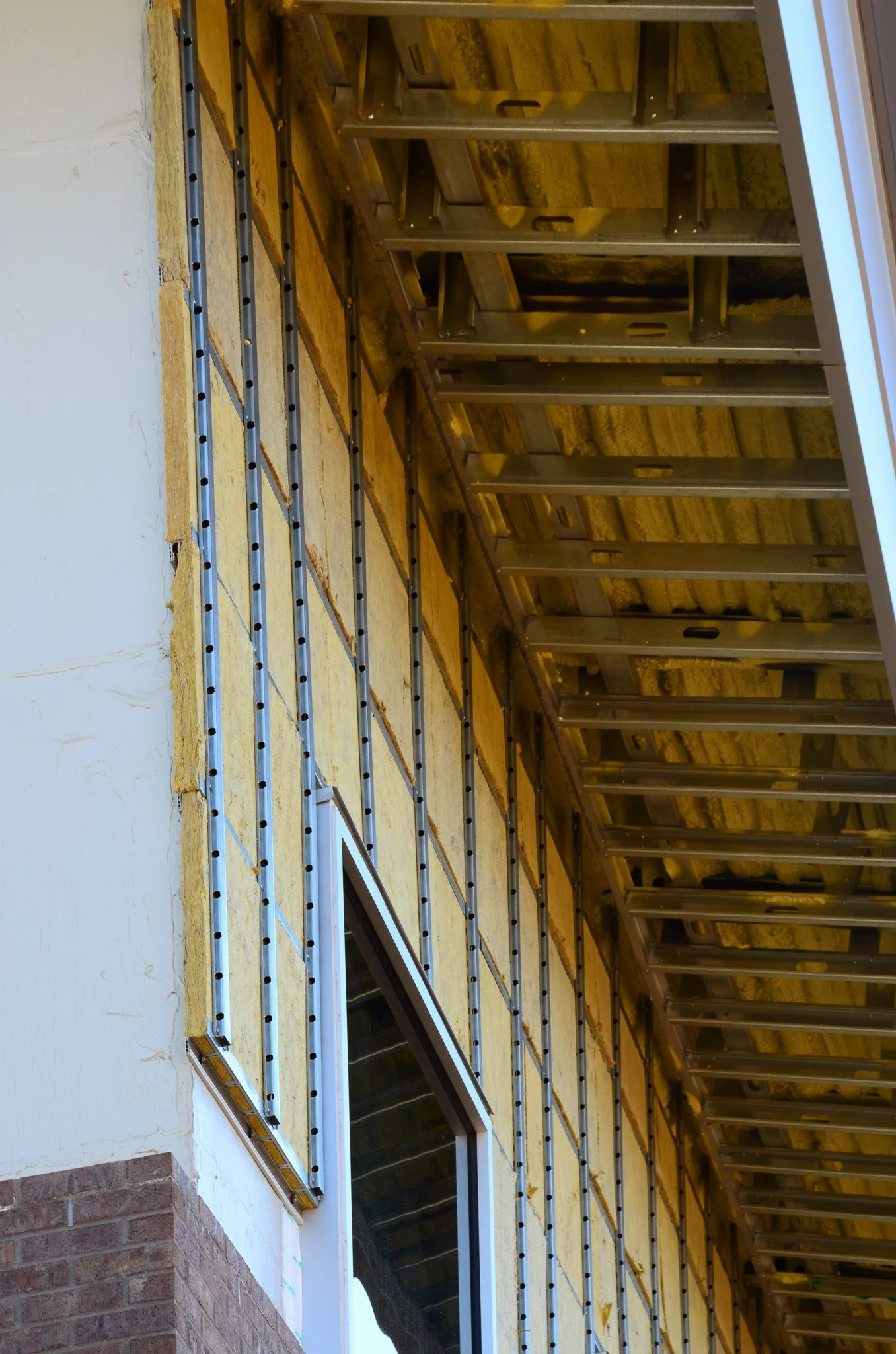
In commercial construction, a thermal Z-girt provides structural support without compromising the exterior insulation's thermal values unlike a traditional G90 steel girt. The webbed cross-section cut out of Knight Wall Systems' ThermaZee Z-girt along with the thermal isolating pad along the bottom flange work in tandem to break the thermal pathway. For perspective, as much as 50-60% of the exterior insulation's effective thermal value is lost with traditional Z-girts. Knight Wall Systems' ThermaZee goes further in design by adding predrilled fastener holes for the installer. This is part of engineered design as well. Now we know the fastener will be installed in the most structually appropriate location along the bottom flange of the Z-girt. ThermaZee comes in depths from one to five inch depths at half inch intervals. It supports the use of both semi rigid mineral wool and rigid insulation boards. Fastener "pull-out" and "pull over" have been calculated for decades using steel Z-girts, ThermaZee solves the thermal problem and retains the structural value of steel cladding engineers are accustom to.Knight Wall Systems Cladding Support
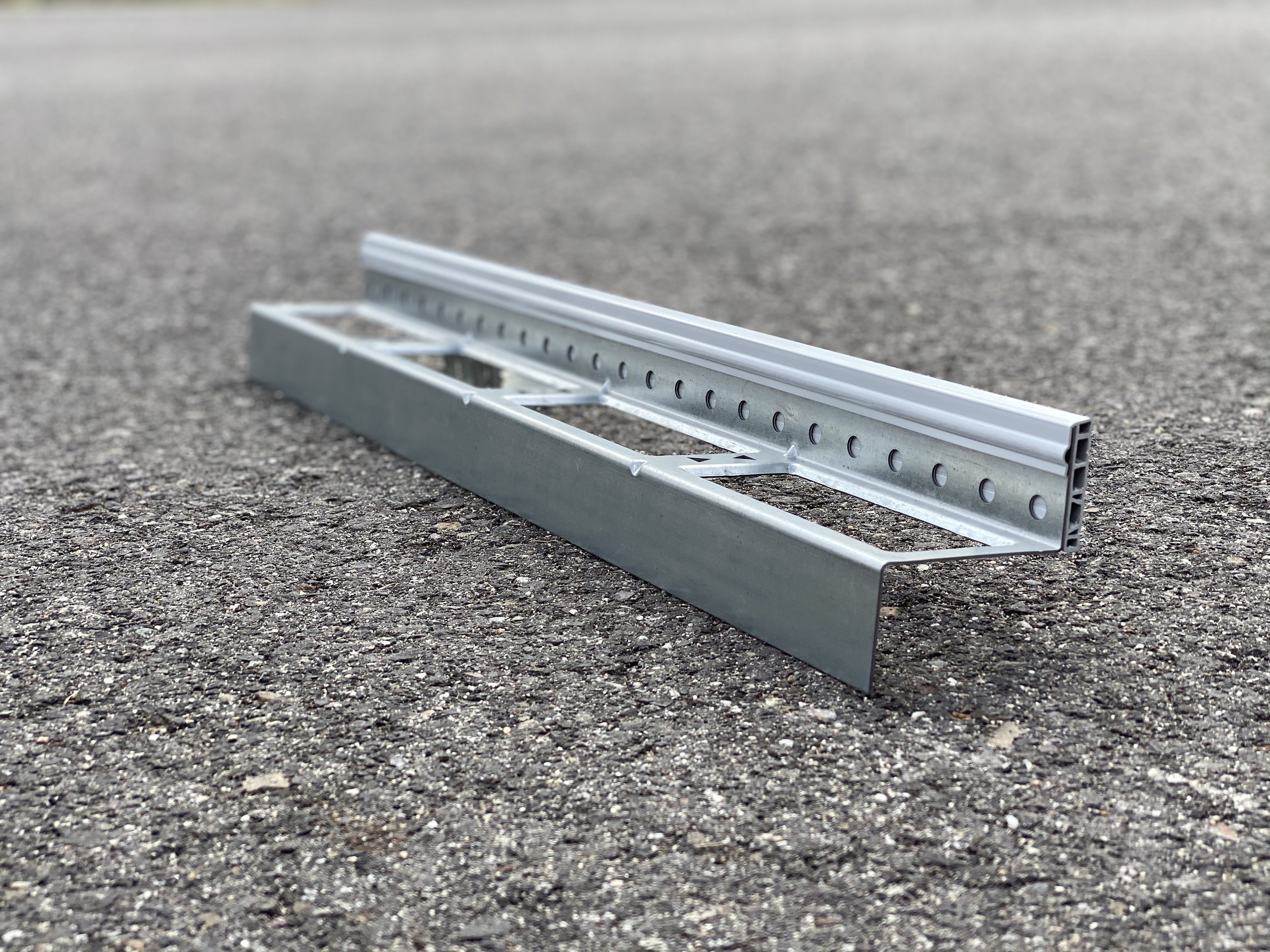
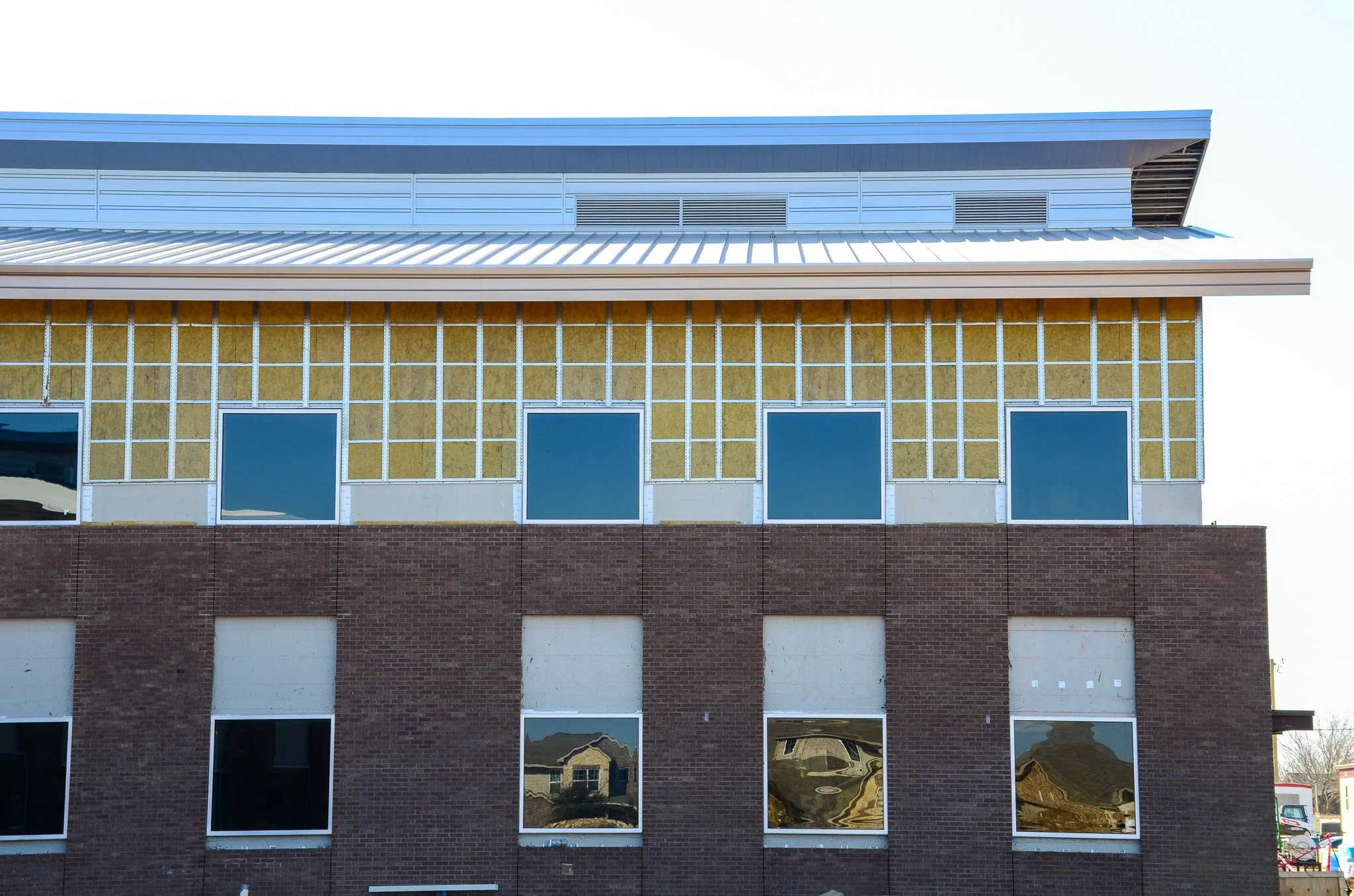
Knight Wall Systems offers four engineered rainscreen cladding attachment systems including their ThermaZee system pictured here.
Hunter XCI - Continuous Insulation
Get the highest R-Value per inch and the most comprehensive NFPA 285 Testing from this manufacturer of polyiso rigid insulation.
York Flashings Through Wall Flashings
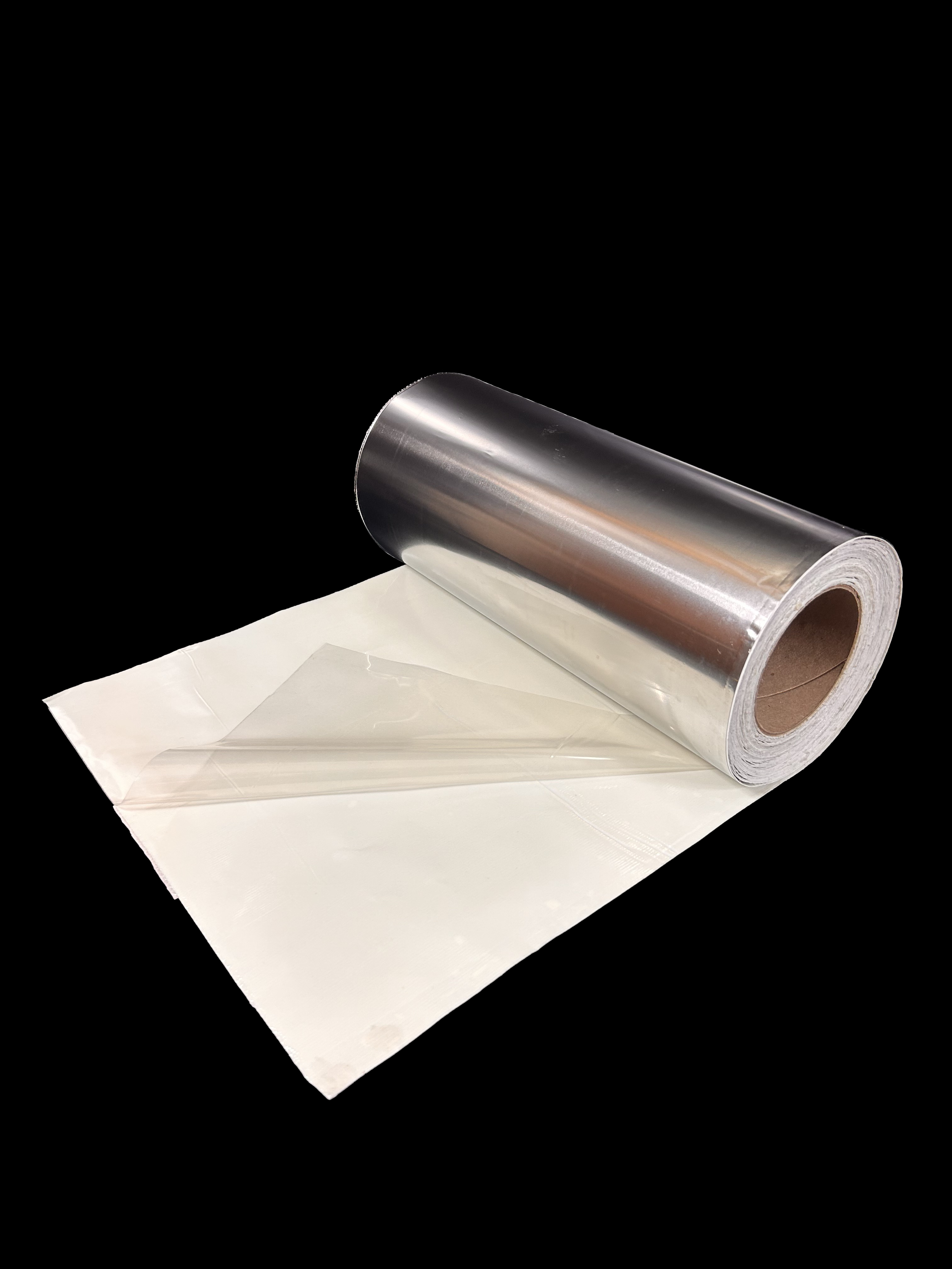
York Flashings 304 SA self-adhered 2-mil stainless steel flexible flashing is the Goldilocks between rigid flashing and 40-mil rubberized asphalt flashings. Wall insurance.
Which Cladding and Insulation Does a Thermal Z-Girt Support?
Match a Girt to Your Cladding
Elemex Architectural Facade System (PERS)

Ultra Compact Sintered Stone, Aluminum Plate, and ACM rainscreen facades from Elemex all designed with Unity, their rainscreen panel mounting system.
aPlank Aluminum Extruded Cladding Solutions
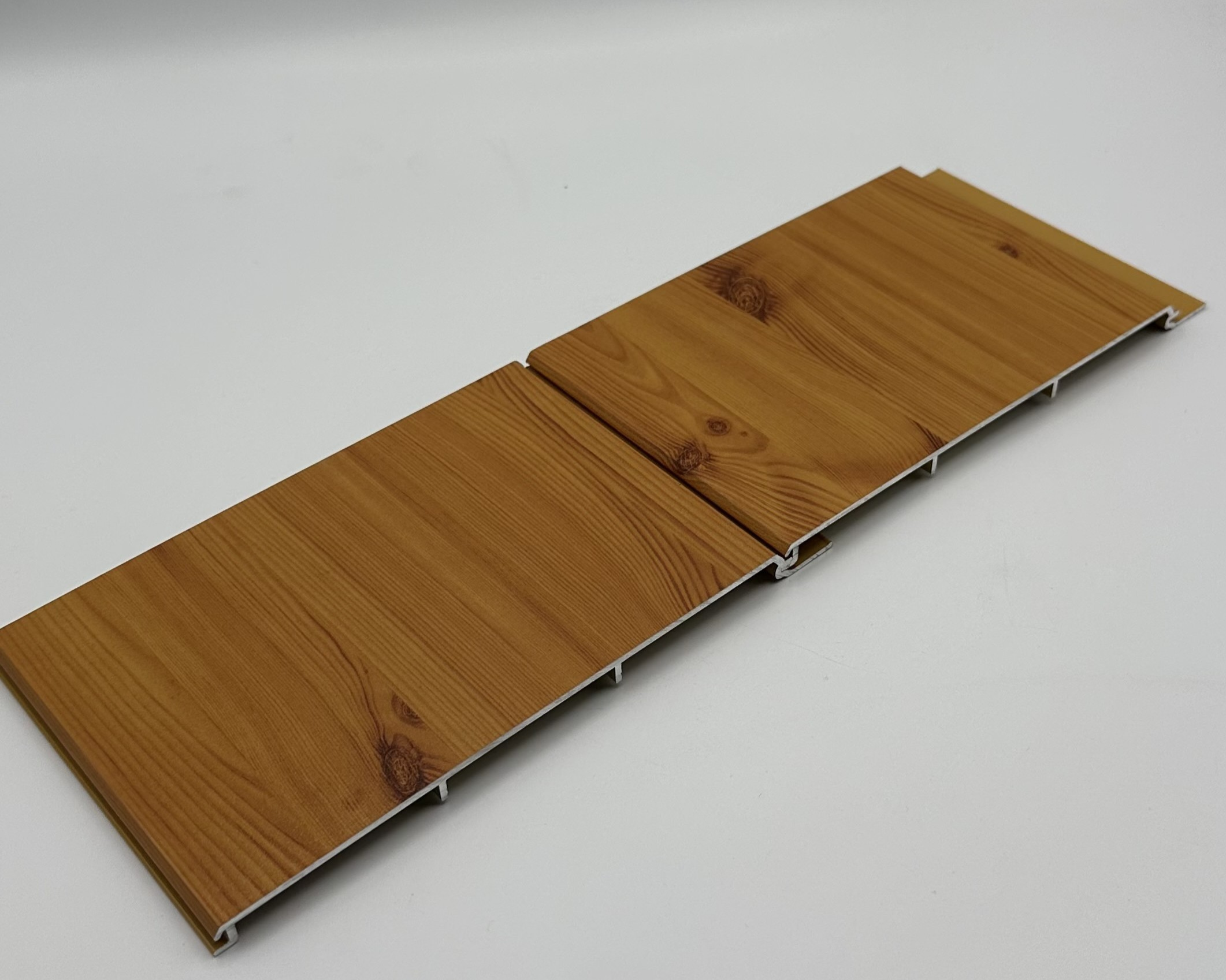
aPlank’s wood-look aluminum extruded panels offer a warranted, long-term, non-combustible solution for soffits and exterior cladding with U.S. manufacturing.
VaproShield Air and Water Barriers

VaproShield’s peel and stick air & water barrier membranes are primerless, vapor permeable, and provide the right thickness every application.